https://spaceweather.com/
|
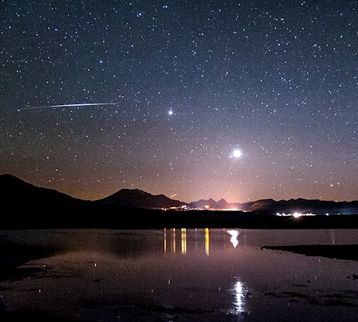
Tonight, when the sun goes down, go outside and look west. Venus and Jupiter are beautifully close together in the twilight sky. They're converging for a tight conjunction on June 8-9. Watch the distance shrink every night this week. Sky maps: June 1, 2, 3, 4, 5, 6, 7, 8, 9, 10, 11, 12, 13, 14, 15, 16, 17. Free: Space Weather Newsletter
https://spaceweather.com/
0 Comments
Mercury and Mars are converging for a conjunction in the constellation Libra. The action is happening too close to the sun to see with the human eye, but coronagraphs on the Solar and Heliospheric Observatory (SOHO) are getting a great view of the action: At closest approach on Oct. 29th, the two planets will be only 20 arcminutes apart--a remarkable pair. If this were happening in a dark night sky, it would be headline news.
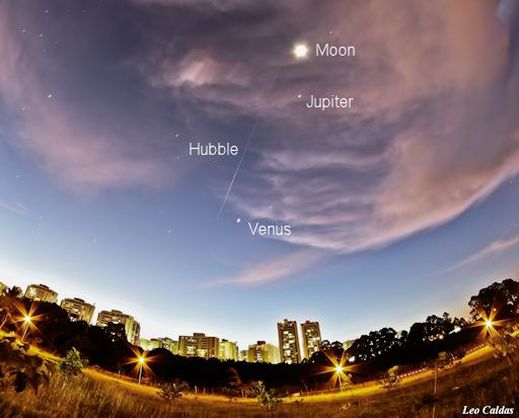
In a few months, it will be headline news. Mars and Mercury will loop around the sun for another even closer conjunction on January 27, 2024. During the event, the planets will be only 12 arcminutes apart--almost as close as Jupiter and Saturn were during the Great Conjunction of 2020. Both planets will be visible to the naked eye in the morning sky just before sunrise. Stay tuned. www.spaceweather.com The 3-day mutual conjunction of Venus, Jupiter and the Moon witnessed by sunset sky watchers around the world is over. Here is how it ended on Feb. 23rd: "The Moon rose above the planetary duo of Jupiter and Venus to create a beautiful line in the western sky," says Petr Horálek, who took the picture from Thoddoo, Maldives. "Cirrus clouds appeared and beautifully magnified the dramatic colors of sunset. It was a very romantic moment."
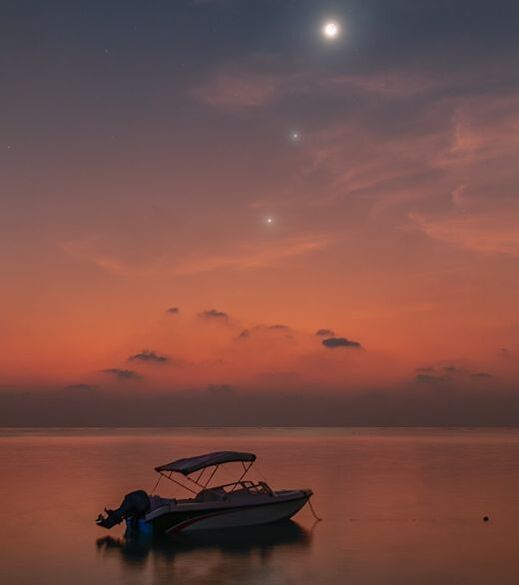
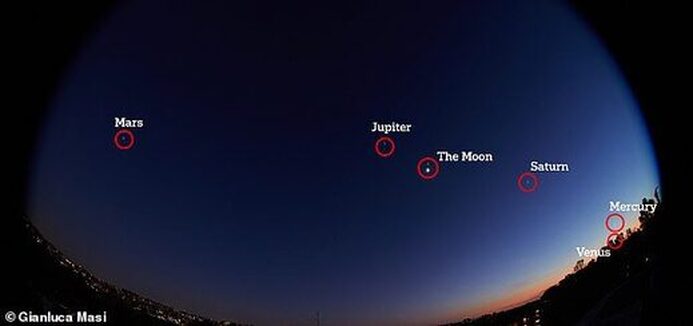
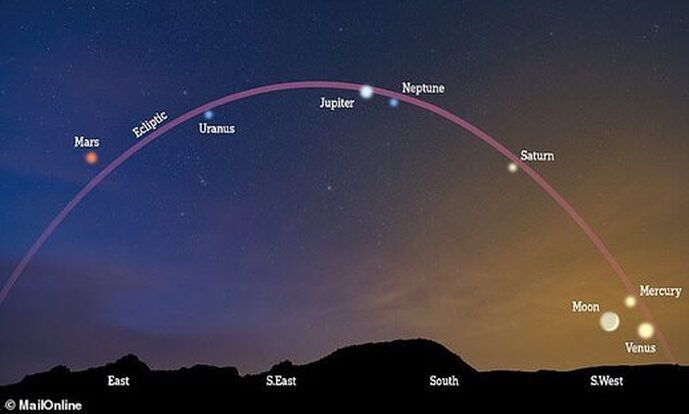
The Moon is exiting, but the show's not over. Venus and Jupiter are still converging. At closest approach on March 1st, they will be just 0.5 degrees apart--a beautiful pairing and one of the best astrophoto-ops of 2023. Look west at sunset. https://spaceweather.com/ Stunning photo shows every visible planet in the solar system lining up across the night sky30/12/2022 Fiona Jackson, Daily Mail; Fri, 30 Dec 2022 16:12 UTC © Dr Gianluca Masi Dr Gianluca Masi took the image from the roof of the building where he lives last night, using a camera with special lenses. It shows Venus, Mercury, Saturn, Jupiter, Mars and the Moon Stargazers have been capturing some spectacular images of a rare astronomical event that means every planet in the solar system is visible in the night sky at the same time. Mercury, Venus, Mars, Jupiter and Saturn can all be seen with the naked eye, while Uranus and Neptune are possible to spot with binoculars or a telescope. Astronomer Dr Gianluca Masi shared a picture he took of the five planets that could be seen with the naked eye, while other skywatchers across the world also captured images of the 'planet parade'. He took it from the roof of a building in Rome, Italy last night, using a camera with special lenses. © MailOnline The solar system will put on a show for space fans for the next two evenings, with all seven planets other than Earth visible in the night sky Starting from the southwestern horizon and moving east, photos show Venus, Mercury, Saturn, Jupiter and Mars in that order. All seven other planets in our solar system will continue to be visible for the next two nights, with only Uranus and Neptune requiring a telescope or binoculars to be seen.
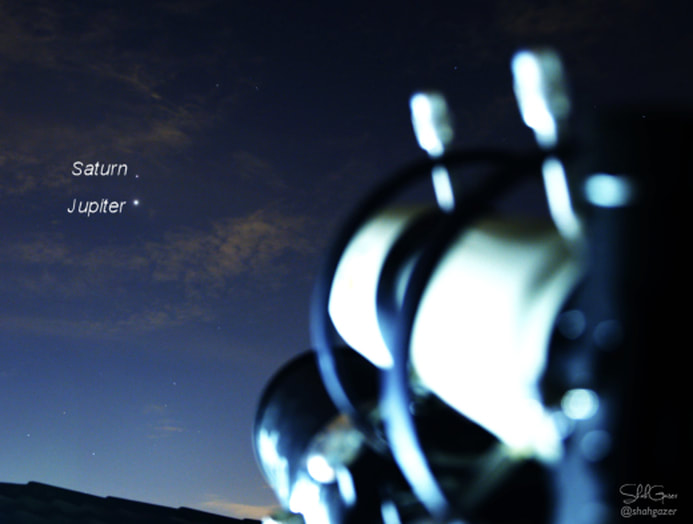
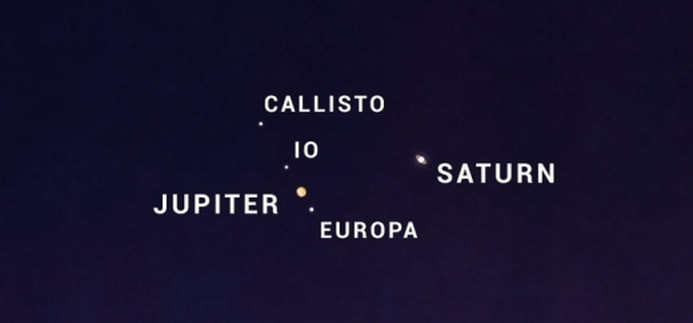
Dr Masi, who works with the Virtual Telescope Project, told MailOnline: 'The opportunity to see all the planetary family at a glance does not happen often. 'We can get a better idea of the cosmic place where we live by looking at the other planets. We have just a couple of days to look at this parade, before Mercury will disappear into the solar glare.' This week, Twitter users from across the globe, including Japan and the US, have been sharing photos of the spectacle online. The phenomenon is known to occur about once every two years. All planets appeared in the night sky as small points of light to stargazers in the northern hemisphere. Mercury is the hardest planet to see without magnification, as it is sitting in a bright part of the sky, however it can be spotted close to the much brighter Venus which outshines it by 70 times. Tonight, the two reach conjunction - their closest point - at 21:00 GMT (16:00 ET), and they won't appear this close again until 2024. Something special is happening in the sunset sky. It's a Great Conjunction of Jupiter and Saturn. The two giant planets are converging for a close encounter the likes of which have not been seen since the Middle Ages. Shahrin Ahmad of Kuala Lumpur, Malaysia, photographed the pair on Dec. 7th: "Jupiter and Saturn are about 1.5º apart this evening, " says Ahmad. "Even under a light polluted sky, both can easily be seen." They're about to get much closer. On Dec. 21st, the two planets will lie just 0.1 degrees apart. That's so close, some people will perceive them as a single brilliant star. Viewed through binoculars or a small telescope, ringed Saturn will appear as close to Jupiter as some of Jupiter's moons: Although Great Conjunctions between Jupiter and Saturn occur every 20 years, they're not all easy to see. Often the two planets are hidden in the glare of the sun. This year is special because the conjunction happens comfortably away from the sun. In fact, the last time the two worlds were so close together and so easy to see was the year 1226, astronomer Michael Brown told the Washington Post.
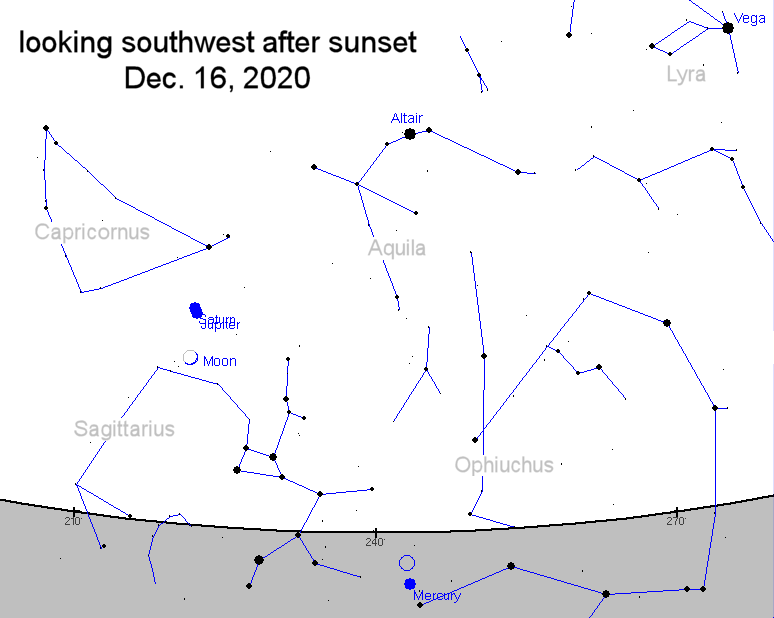
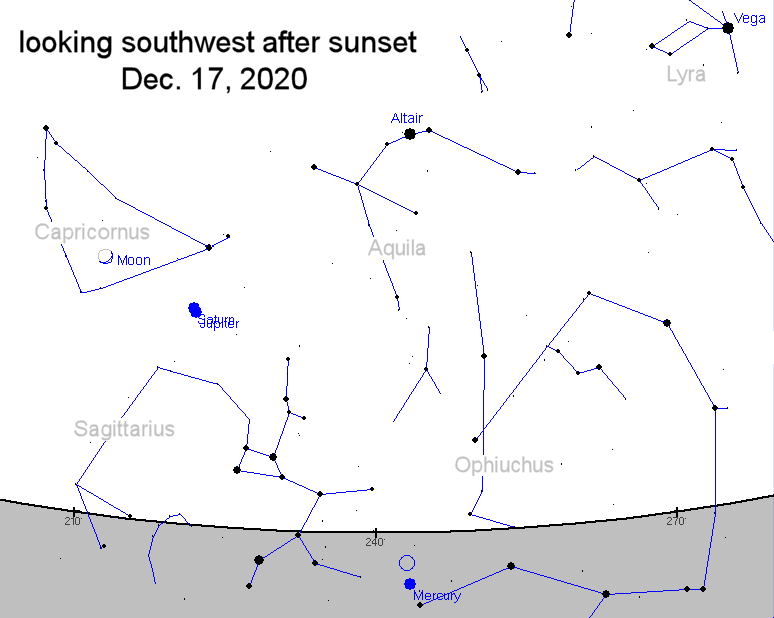
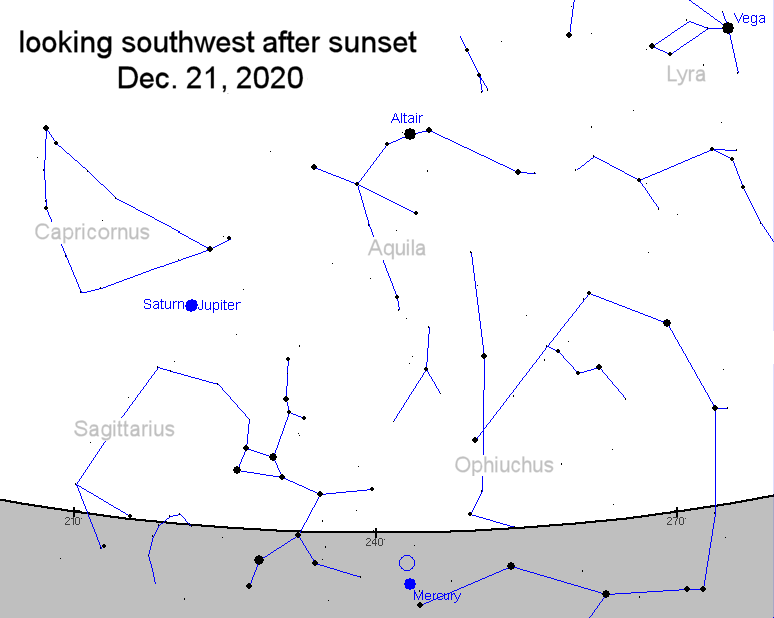
The show is underway. Jupiter and Saturn are already a tight pair in the evening sky, and they will grow rapidly and noticeably closer together every night for the next two weeks. Dates of special interest include Dec. 16th and 17th, when the crescent Moon joins the planets, and, of course, Dec. 21st when they are almost touching. Sky maps: Dec. 16, 17; Dec. 21. www.spaceweather.com Jupiter and Saturn to appear as brilliant star or ‘double planet’ in night sky this Christmas28/11/2020 Jupiter and Saturn will come closer to each other in the Earth's night sky than they have for almost a millennium between December 16 and 25 in an extremely rare astronomical extravaganza. The pair will be separated by one fifth the diameter of a full moon as viewed from the Earth, in an extraordinary astronomical proximity event which has not occurred for 800 years.
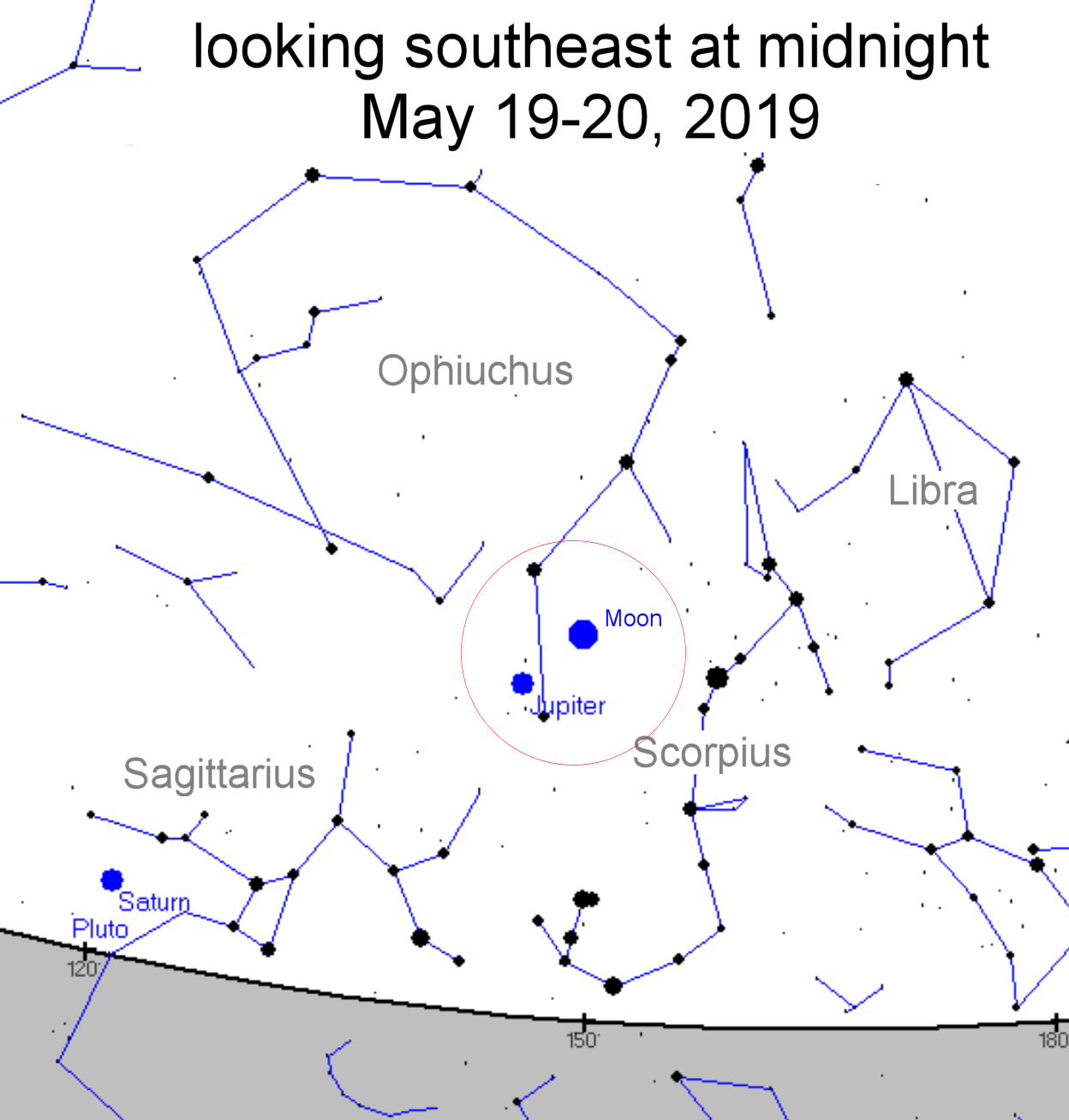
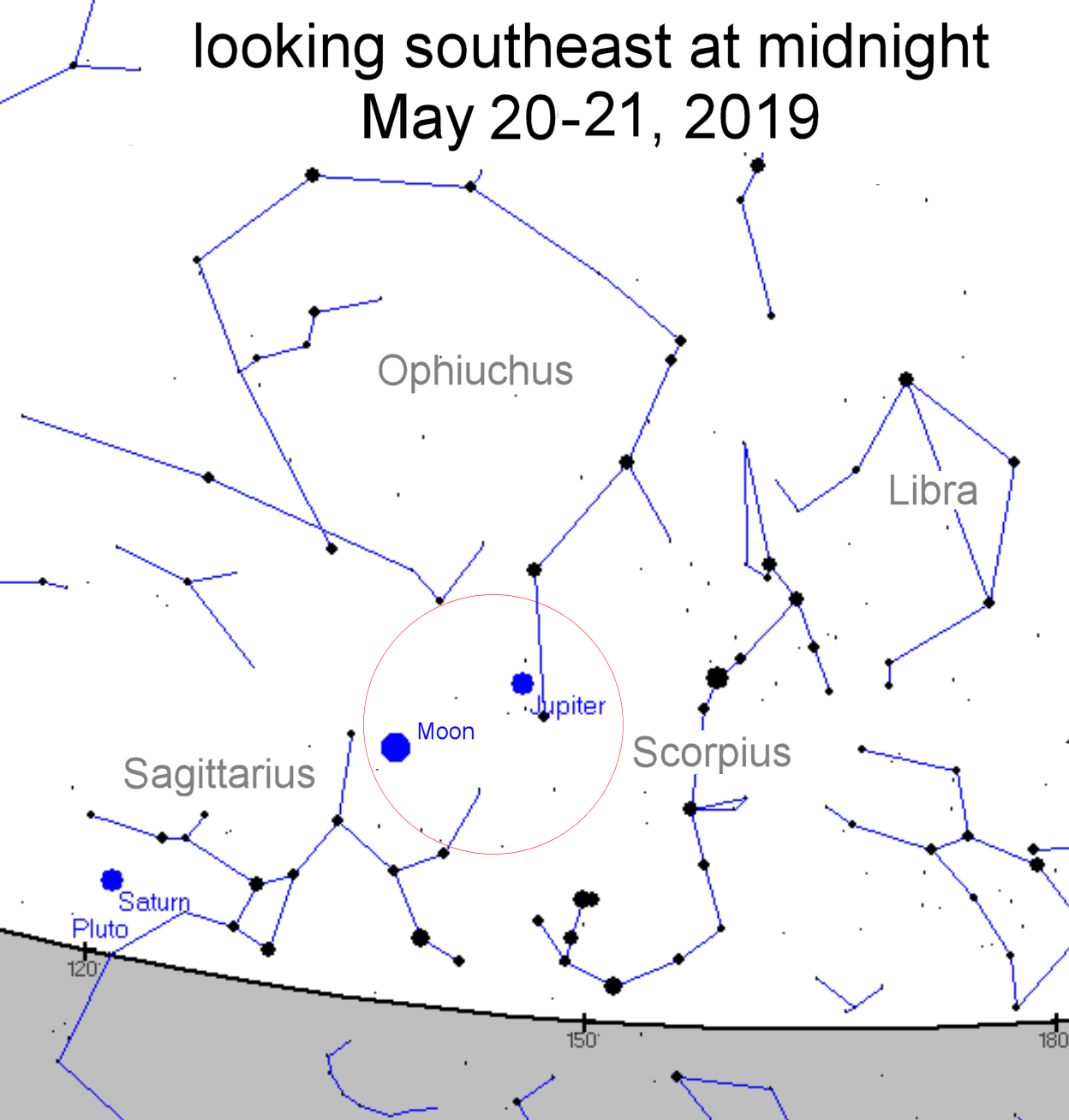
The planets will appear as a singular point of brilliant light or a “double planet” to anyone lucky enough to have clear skies at the time of their yuletide rendezvous “Alignments between these two planets are rather rare, occurring once every 20 years or so, but this conjunction is exceptionally rare because of how close the planets will appear to one another,” says astronomer Patrick Hartigan from Rice University. For context, their previous closest celestial encounter on record (as we see them anyway) was on March 4, 1226. As always, the best viewing conditions will be near the equator but, with clear enough skies, it should be visible from anywhere on Earth about an hour after sunset each evening. Stargazers should point their telescopes toward the western sky, especially during the closest approach on December 21, when the pair will appear as a “double planet.” “For most telescope viewers, each planet and several of their largest moons will be visible in the same field of view that evening,” Hartigan adds. The viewing window will be shorter for those in the northern hemisphere, however, so stargazers are encouraged to make preparations well in advance and head out early to avoid missing the mesmerizing meeting. Their next astronomical alignment is expected in March 2080 and then again in 2400. https://www.rt.com/news/507528-jupiter-saturn-alignment-double-planet/ Read also: https://www.iceagenow.info/jupiter-and-saturn-about-to-do-something-not-seen-since-the-year-1226/ Awake at midnight? Go outside and look southeast. The Moon and Jupiter are having a bright conjunction in the constellation Ophiuchus, only a few degrees apart. Enjoy the show!
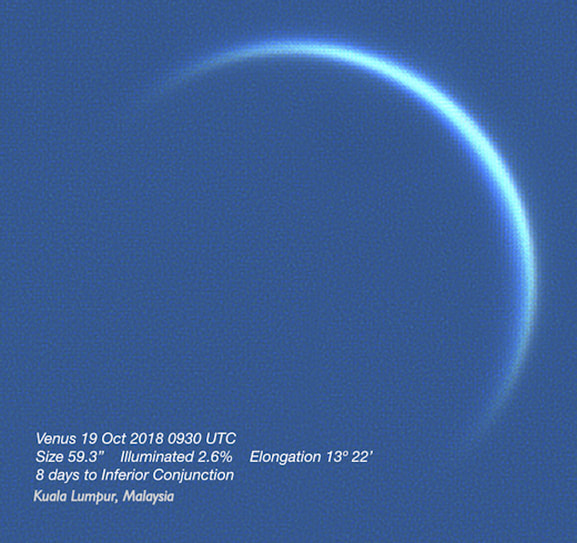
Sky maps: May 19, 20. www.spaceweather.com On Oct. 26th, Venus will pass almost directly between Earth and the sun--an event astronomers call "inferior solar conjunction." As Venus approaches the sun, the planet is turning its night side toward Earth, reducing its luminous glow to a thin sliver. Shahrin Ahmad of Kuala Lumpur, Malaysia, took this picture on Oct. 20th: "I took this picture in broad daylight," says Ahmad. "Venus was really big in the eyepiece of my telescope--almost a full arcminute in diameter. And the crescent shape easily visible in the 8x50 finder scope."
In the days ahead, the crescent of Venus will become increasingly thin and circular. The horns of the crescent might actually touch when the Venus-sun angle is least (~6 degrees) on Oct. 26th. This is arguably the most beautiful time to observe Venus, but also the most perilous. The glare of the nearby sun magnified by a telescope can damage the eyes of anyone looking through the eyepiece. Anthony J. Cook of the Griffith Observatory has some advice for observers: "I have observed Venus at conjunction, but only from within the shadow of a building, or by adding a mask to the front end of the telescope to fully shadow the optics from direct sunlight. This is tricky with a refractor or a catadioptric, because the optics start at the front end of the tube. Here at Griffith Observatory, I rotate the telescope dome to make sure the lens of the telescope is shaded from direct sunlight, even through it means that the lens will be partially blocked when aimed at Venus. With our Newtonian telescope, I add a curved cardboard mask at the front end of the tube to shadow the primary mirror." For the rest of this week Venus can still be observed without elaborate precautions in deep twilight after sunset. Every evening the crescent grows and narrows. Scan the realtime photo gallery for updates. www.spaceweather.com
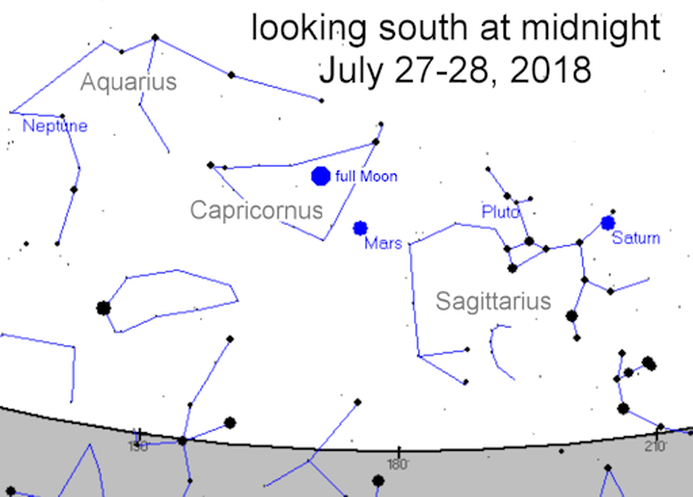
Tonight's the night. The Moon and Mars are converging for a midnight conjunction in the constellation Capricornus. This is no ordinary meeting of heavenly bodies. Mars is making a 15-year close approach to Earth, giving the Red Planet a luminosity that pierces the glare of the full Moon with ease.
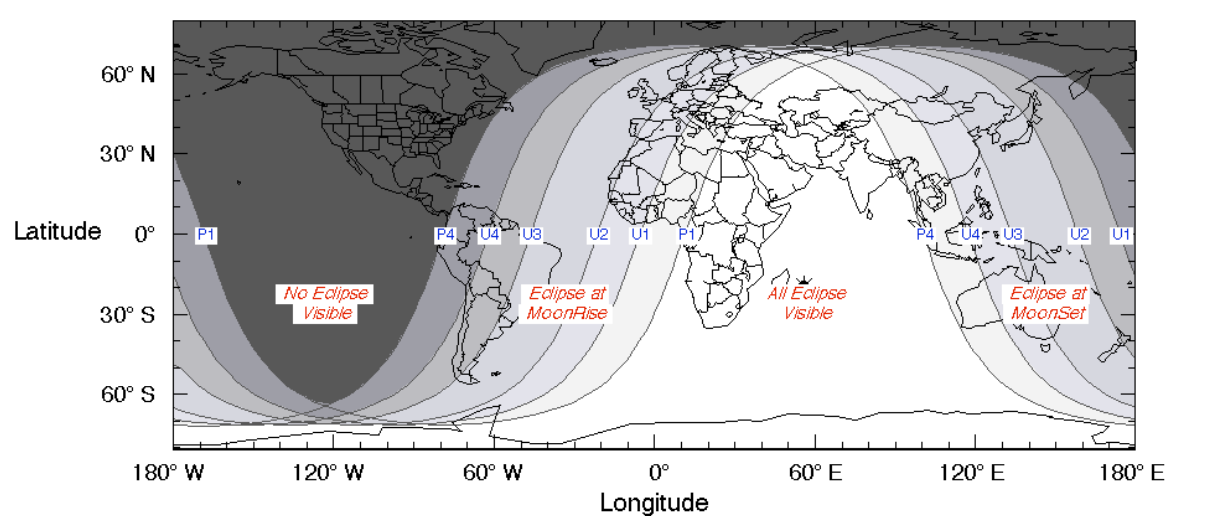
During the conjunction, something strange and wonderful will happen to the Moon. It is going to pass through the shadow of our planet, turning the lunar disk as red as Mars. Astronomers call this a "total lunar eclipse." On every continent except North America, people can see Earth's shadow swallow the Moon for as much as 1 hour 43 minutes, making it the longest lunar eclipse in a century. [eclipse visibility map]
This animation, created by graphic artist Larry Koehn, shows how the eclipse will unfold:
Got a backyard telescope? Tonight is a good time to use it. Swing your optics between the Moon and Mars in quick succession to reveal the dusty-red martian disk alongside lunar mountains and craters. It's a special night. Enjoy the show!
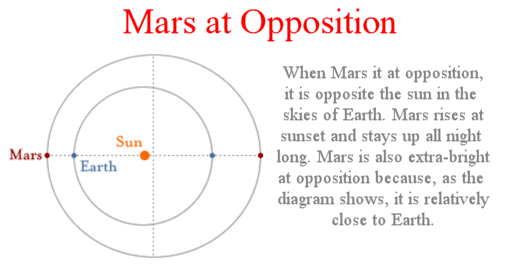
Live webcasts: from Israel, from Belgium. www.spaceweather.com Friday, July 27th, is a big night for astronomy. First, Mars will be at opposition--directly opposite the sun and making a 15-year close approach to Earth. Second, Mars and the Moon will be in conjunction--less than 10 degrees apart. Third, the Moon will pass through the shadow of Earth, producing the longest lunar eclipse in a century--visible everywhere except North America. What a night! Tune into live webcasts from Israel and Belgium.
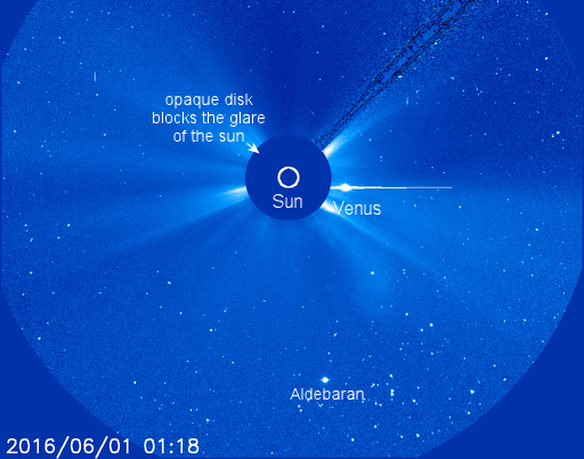
www.spaceweather.com Venus is about to pass directly behind the sun, an event astronomers call "superior conjunction." Coronagraphs onboard the Solar and Heliospheric Observatory (SOHO) are monitoring Venus as it disappears into the glare: On June 7th, Venus will be at superior conjunction--a wonderful sight if only we could see it.
Like the Moon, Venus has phases and on June 7th it will be gloriously full. The entire hemisphere facing Earth will be illuminated. Venus's acid-laced clouds are terrific reflectors and a full Venus would surely be visible in broad daylight, an intense pinprick of light in the blue sky. Venus's passage behind the sun marks an important transition. Earlier this year, Venus was a "morning star." After it emerges from behind the sun, it will become an "evening star" later in June. www.spaceweather.com On March 8th, Earth and Jupiter will have a close encounter. The giant planet will be "up all night," soaring almost overhead at midnight and not setting until the sky brightens with the twilight hues of sunrise on March 9th. Get the full story from Science@NASA.
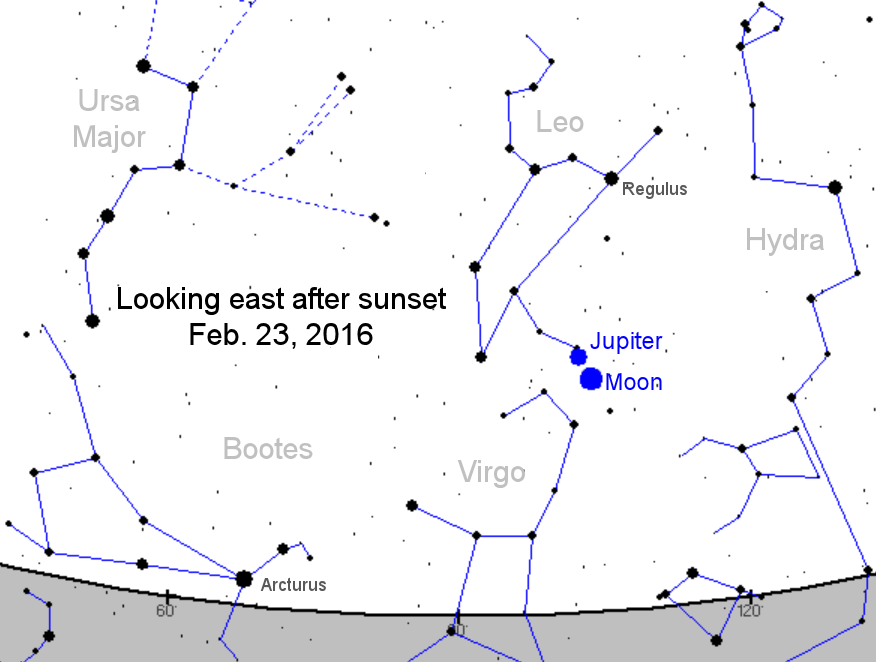
www.spaceweather.com There's a full Moon tonight, Monday Feb. 22nd. According to folklore, it has a special name--the "Snow Moon." On average, February is the snowiest month in the USA. Full moonlight reflecting from a snow-covered landscape can make the night very bright, indeed. Bonus: On Tuesday, Feb. 23rd, the waning Snow Moon will be in conjunction with Jupiter--a beautiful close encounter: sky map. www.spaceweather.com
On August 15th, Venus will pass almost directly between Earth and the sun--an event astronomers call "inferior solar conjunction". As Venus approaches the sun, the planet is turning its night side toward Earth, reducing its luminous glow to a thin sliver. Damian Peach sends this image of the narrowing crescent from his private observatory in Selsey, UK: In the days ahead, the crescent of Venus will become increasingly thin and circular. The horns of the crescent might actually touch when the Venus-sun angle is least on August 15th (7.9o). This is arguably the most beautiful time to observe Venus--but also the most perilous. The glare of the nearby sun magnified by a telescope can damage the eyes of anyone looking through the eyepiece. Anthony J. Cook of the Griffith Observatory has some advice for observers: "I have observed Venus at conjunction, but only from within the shadow of a building, or by adding a mask to the front end of the telescope to fully shadow the optics from direct sunlight. This is tricky with a refractor or a catadioptric, because the optics start at the front end of the tube. Here at Griffith Observatory, I rotate the telescope dome to make sure the lens of the telescope is shaded from direct sunlight, even through it means that the lens will be partially blocked when aimed at Venus. With our Newtonian telescope, I add a curved cardboard mask at the front end of the tube to shadow the primary mirror." Potential observers should take precautions as outlined above. That said, if you have a GOTO telescope, command it to slew to Venus this evening. The slender cresent is only 12o from the sun on Aug. 8th, and it's a beauty! www.spaceweather.com
The main event occurs on June 30th. On that night, Venus and Jupiter will be a jaw-dropping 1/3rd of a degree apart--less than the diameter of a full Moon. You'll be able to hide the pair behind your little pinky finger outstretched at arm's length. Mark your calendar and enjoy the show!
www.spaceweather.com |
QUICK INFO
Author:
_Messenger Spirit This section is for interesting items which are brought to my attention but which do not merit a separate article.
I welcome your comments, questions or suggestions on any topics you wish to contribute to this section. Please submit these on the Contact and Feedback Form PLEASE DO NOT SUBMIT COMMENTS ON THE FORM WHICH APPEARS UNDER ITEMS ON 'QUICK INFO'; THIS SYSTEM IS NOT WORKING. Categories
All
Archives
June 2026
|


RSS Feed