https://spaceweather.com/
|
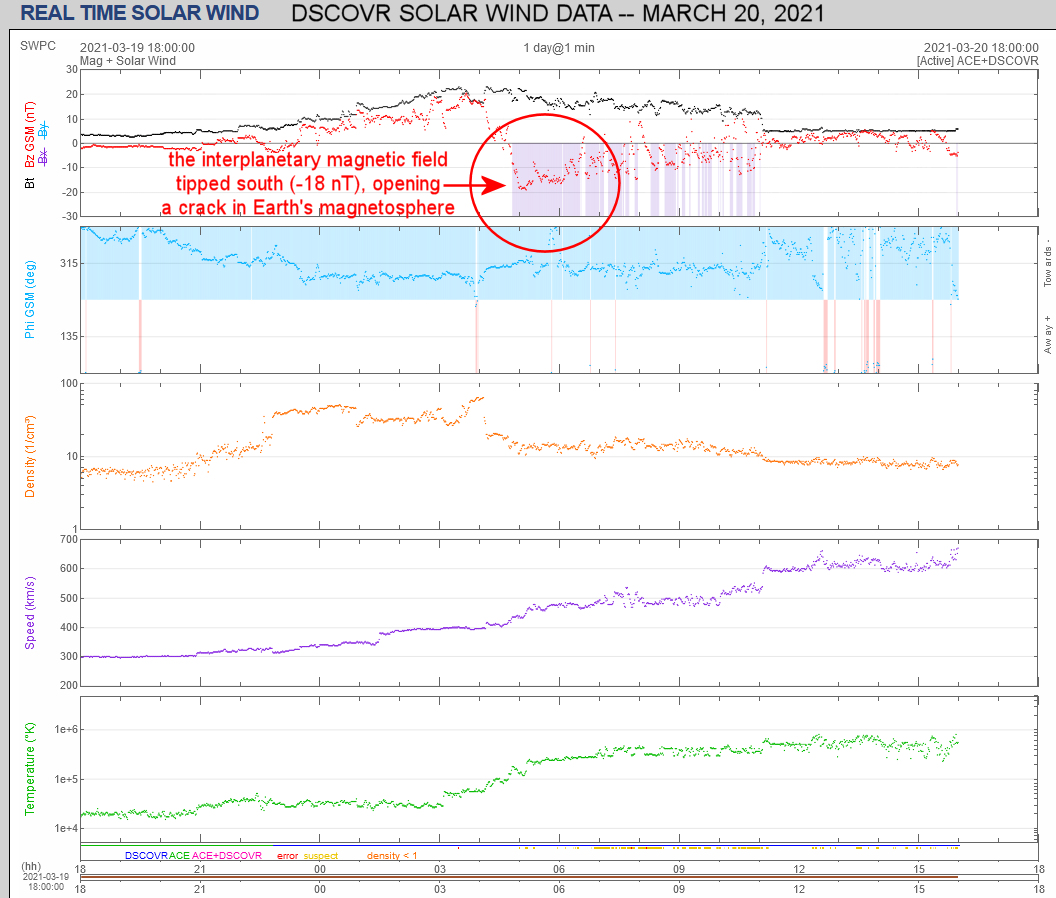
Sunspot 4274 erupted again yesterday, producing a powerful X4-class solar flare. Unlike previous explosions, this one was not directly facing Earth. Most of the CME will miss our planet. Even so, a glancing blow is possible on Nov. 16th. NOAA forecasters have issued a G1-class geomagnetic storm watch for Nov. 16th and 17th.
https://spaceweather.com/
0 Comments
Answer: A way to display entire geomagnetic storms at a glance. It gets its name from the Inuit word for auroras -- Keoeeit. Daniel Bush of Albany, Missouri, created these keograms to compare the three great geomagnetic storms of Solar Cycle 25: Researchers in the 1970s adopted the term keogram to honor the Arctic peoples who lived under the lights. It distills an entire night of auroral motion into a single strip of brightness. Watch this animation to see how a keogram is made.
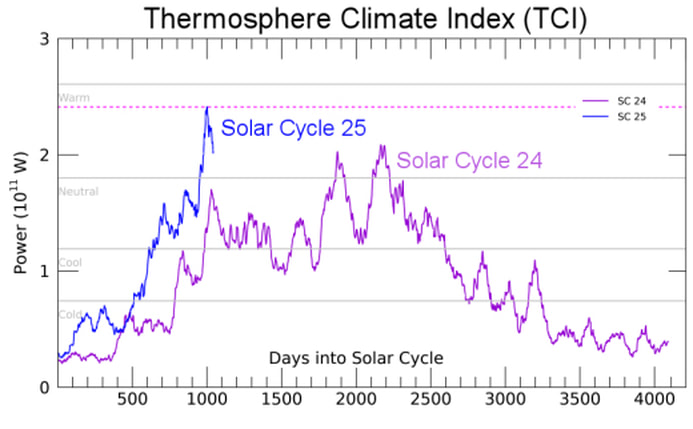
"I was very fortunate weatherwise here in Missouri to be able to record the three strongest geomagnetic storms of Solar Cycle 25 ... so far," says Bush. "They were all great. But one can tell just by comparing these keograms that the May 2024 storm was in a league all of its own with bright energetic substorms and dusk to dawn intensity." Solar Cycle 25 peaked in 2024, but it is far from finished. For the next few years it will slowly decline. That's important because, statistically speaking, the declining phases of solar cycles are when some of the strongest storms occur. The Halloween Storms of 2003 and the Veterans Day storm of 2025 are good examples. We predict that Bush's keogram will grow even longer in 2026. Stay tuned! https://spaceweather.com/ A CME is heading straight for Earth--see below. NASA and NOAA models agree that it will strike Earth on June 1st. The impact could spark a severe (G4-class) geomagnetic storm with auroras visible across Europe and many US states. This won't be as big as the famous May 2024 storm, but it could be one of the bigger events of Solar Cycle 25 if a severe storm materializes.
https://spaceweather.com/ It never made sense. On Feb. 3rd, 2022, SpaceX launched a batch of 49 Starlinks to low-Earth orbit--something they had done many times before. This time was different, though. Almost immediately, dozens of the new satellites began to fall out of the sky. Above: A Starlink satellite falls from the sky over Puerto Rico on Feb. 7, 2022. [video] At the time, SpaceX offered this explanation: "Unfortunately, the satellites deployed on Thursday (Feb. 3rd) were significantly impacted by a geomagnetic storm on Friday, (Feb. 4th)." A more accurate statement might have read "...impacted by a very minor geomagnetic storm." The satellites flew into a storm that barely registered on NOAA scales: It was a G1, the weakest possible, unlikely to cause a mass decay of satellites. Something about "The Starlink Incident" was not adding up. Space scientists Scott McIntosh and Robert Leamon of Lynker Space, Inc., have a new and different idea: "The Terminator did it," says McIntosh. Not to be confused with the killer robot, McIntosh's Terminator is an event on the sun that helps explain the mysterious progression of solar cycles. Four centuries after Galileo discovered sunspots, researchers still cannot accurately predict the timing and strength of the sun's 11-year solar cycle. Even "11 years" isn't real; observed cycles vary from less than 9 years to more than 14 years long. Above: Oppositely charged bands of magnetism march toward the sun's equator where they "terminate" one another, kickstarting the next solar cycle. [more] McIntosh and Leamon realized that forecasters had been overlooking something. There is a moment that happens every 11 years or so when opposing magnetic fields from the sun's previous and upcoming solar cycles collide and cancel (see the animation, above). They called this moment, which signals the death of the old cycle, "The Termination Event." After a Termination Event, the sun roars to life–"like a hot stove where someone suddenly turns the burner on," McIntosh likes to say. Solar ultraviolet radiation abruptly jumps to a higher level, heating the upper atmosphere and dramatically increasing aerodynamic drag on satellites. This plot supports what McIntosh and Leamon are saying: The histogram shows the number of objects falling out of Earth orbit each year since 1975. Vertical dashed lines mark Termination Events. There's an uptick in satellite decay around the time of every Terminator, none bigger than 2022.
As SpaceX was assembling the doomed Starlinks of Group 4-7 in early 2022, they had no idea that the Terminator Event had, in fact, just happened. Unwittingly, they launched the satellites into a radically altered near-space environment. "Some of our satellite partners said it was just pea soup up there," says Leamon. SpaceX wasn't the only company hit hard. Capella Space also struggled in 2022 to keep its constellation of Synthetic Aperture Radar (SAR) satellites in orbit. “The atmospheric density in low Earth orbit was 2 to 3 times more than expected,” wrote Capella Space's Scott Shambaugh in a paper entitled Doing Battle With the Sun. “This increase in drag threatened to prematurely de-orbit some of our spacecraft." Indeed, many did deorbit earlier than their 3-year design lifetimes. The Terminator did it? It makes more sense than a minor storm. The first of two CMEs heading toward Earth has just arrived. It passed NOAA's DSCOVR at 1600 UTC and reached our planet about 40 minutes later. The impact could spark minor (G1) to strong (G3) geomagnetic storms in the hours ahead. If a strong storm materializes, Northern Lights could descend to mid-latitudes in the USA and Europe, competing with fireworks displays to start the New Year.
https://spaceweather.com/ Two CMEs are expected to strike Earth during the next 48 hours--a minor glancing blow on Dec. 24th followed by a more direct hit on Dec. 25th. The one-two punch could cause a G1 to G2-class geomagnetic storm with high-latitude auroras for Christmas.
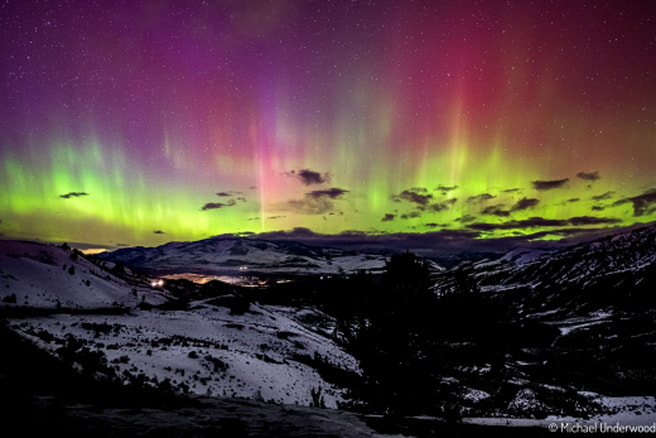
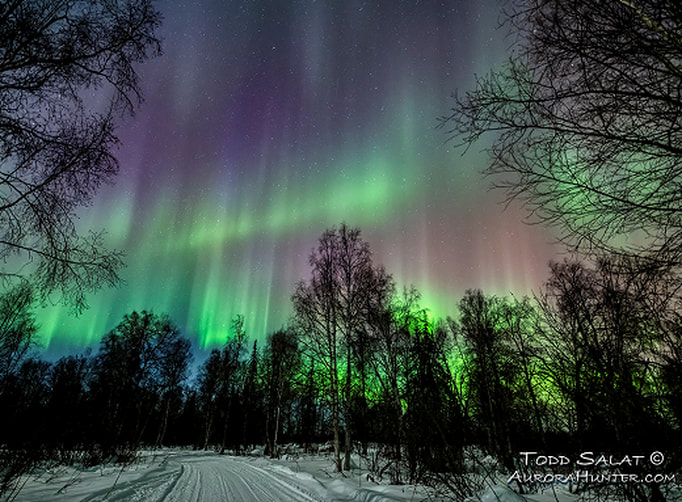
https://spaceweather.com/ In a joint statement on Oct. 15th, NASA and NOAA announced that Solar Maximum is underway. If you saw last week's geomagnetic storm, you probably reached the same conclusion. Good news: Solar Max is not a narrow moment in time; it is a lengthy phase of solar activity that can last for 2 or 3 years. More aurora outbursts are likely in 2024 and 2025. Listen to the press conference here.
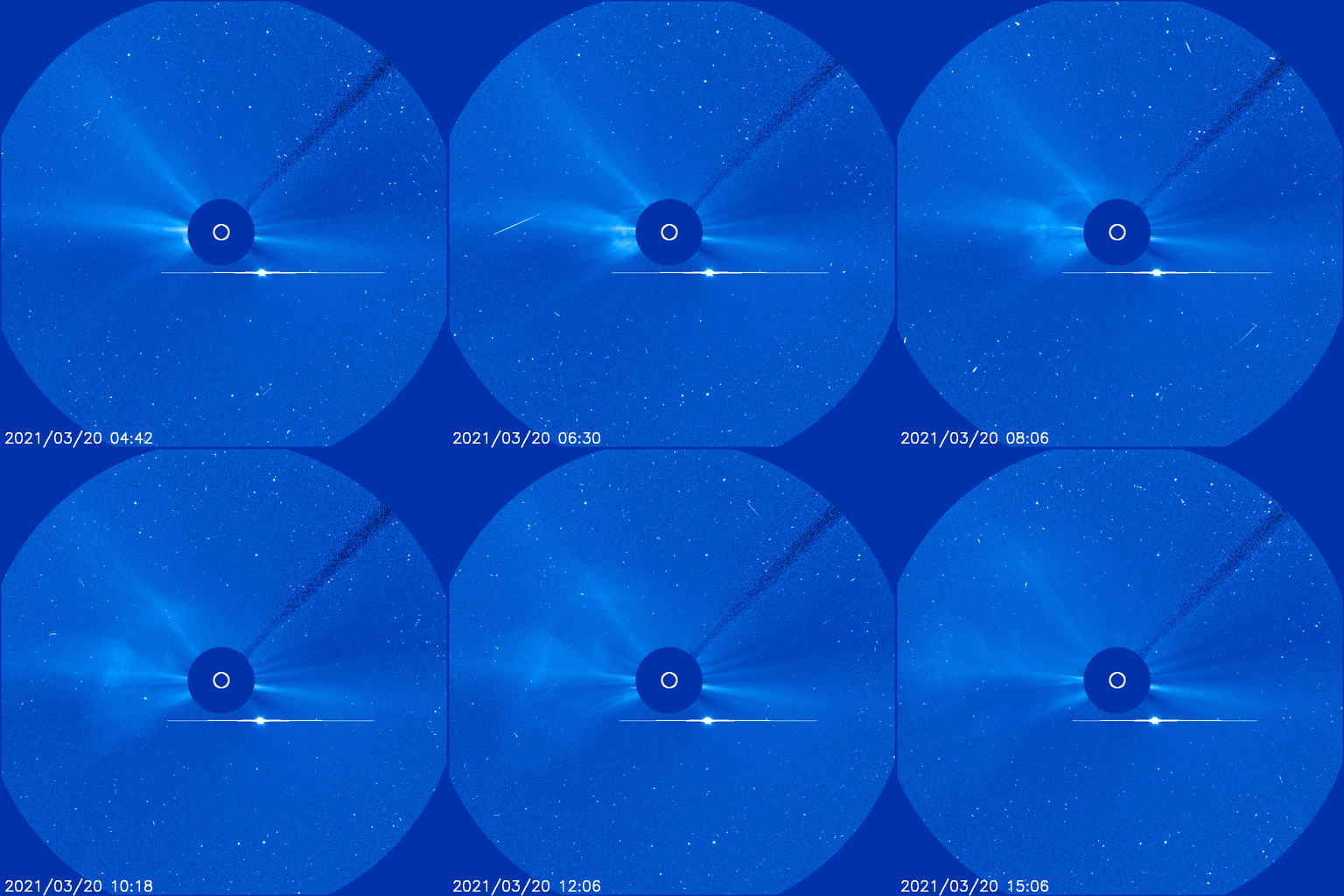
https://spaceweather.com/ Sunspot AR3848 was directly facing Earth this morning, Oct. 8th (0156 UTC), when it unleashed a powerful X1.8-class solar flare. NASA's Solar Dynamics Observatory recorded the extreme ultraviolet flash: This explosions lasted more than 4 hours, so long that it lifted a massive CME out of the sun's atmosphere. Take a look at these preliminary coronagraph images from NASA's STEREO-A spacecraft. This CME will certainly hit Earth later this week, potentially sparking a new round of geomagnetic storms. Stay tuned for a refined forecast.
https://spaceweather.com/ Confirmed: Two CMEs are now heading for Earth following consecutive X-flares (X7.1 and X9.1) from active sunspot AR3842. According to NOAA and NASA models, the first will strike Earth on Oct 4th and the second (more potent) will strike on Oct. 6th. The dual impacts could spark strong G3-class geomagnetic storms with auroras at mid-latitudes, especially on Oct. 6th.
https://spaceweather.com/ Sunspot AR3842 exploded again on Oct. 3rd, producing the strongest solar flare of Solar Cycle 25 so far. NASA's Solar Dynamics Observatory recorded the X9.1-category blast: Radiation from the flare ionized the top of Earth's atmosphere and caused a deep shortwave blackout over Africa and the South Atlantic. Ham radio operators in the area may have noticed loss of signal at frequencies below 30 MHz for as much as a half an hour after 12:18 UTC.
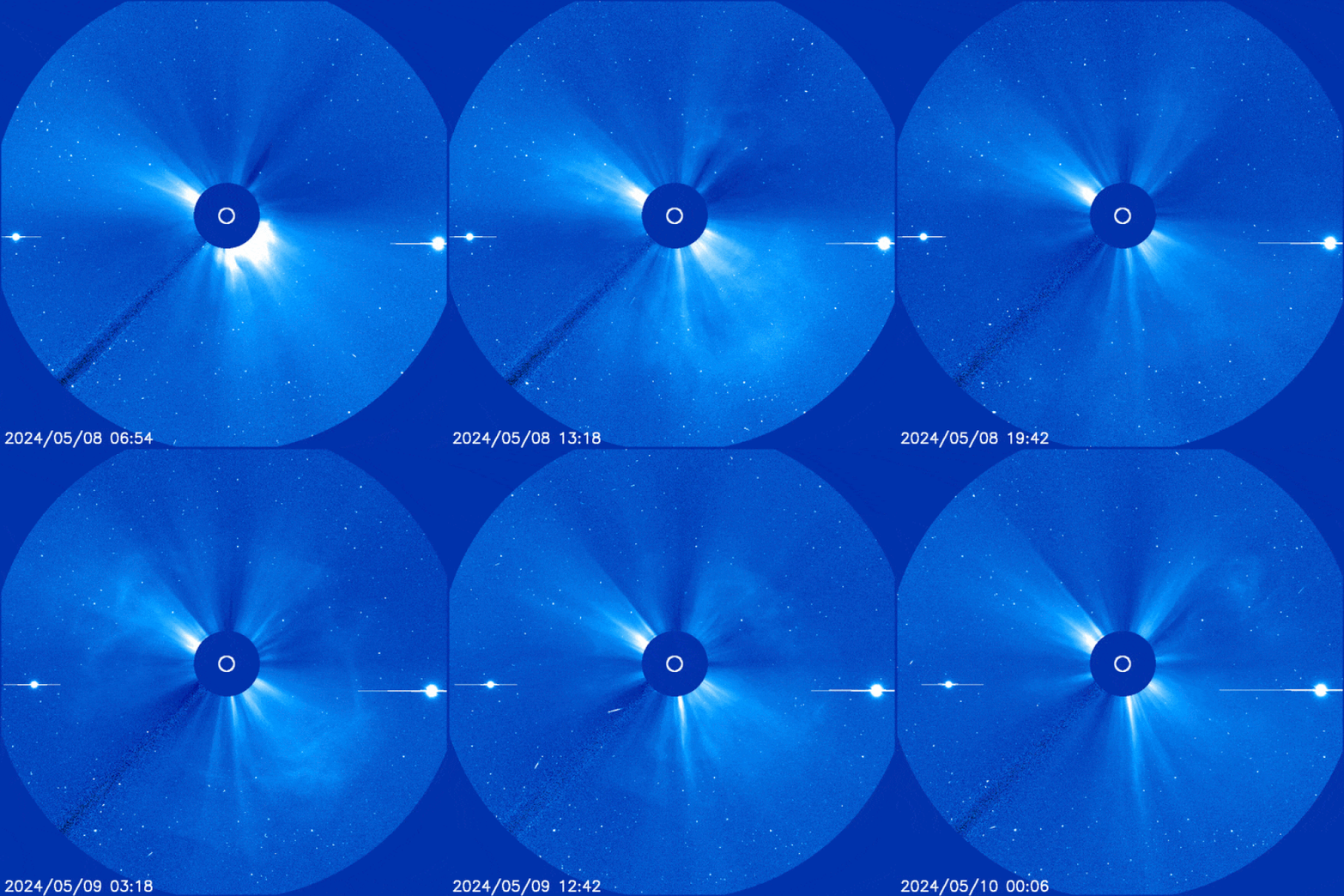
The explosion also produced a halo CME. Now that a full set of images has arrived from the Solar and Heliospheric Observatory (SOHO), it's clear that the CME is potent. NOAA forecasts of a strong geomagnetic storm when it arrives on Oct. 6th are probably correct. https://spaceweather.com/ Fast-growing sunspot AR3842 erupted on Oct 1st (2220 UT), producing the second-strongest solar flare of Solar Cycle 25. The X7.1-category blast caused a shortwave radio blackout over Hawaii and hurled a CME into space. A preliminary NASA model predicts it will hit Earth on Oct. 5th. Stay tuned for the geomagnetic storm forecast.
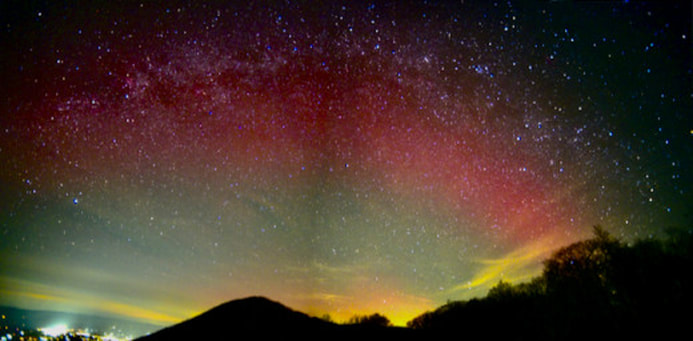
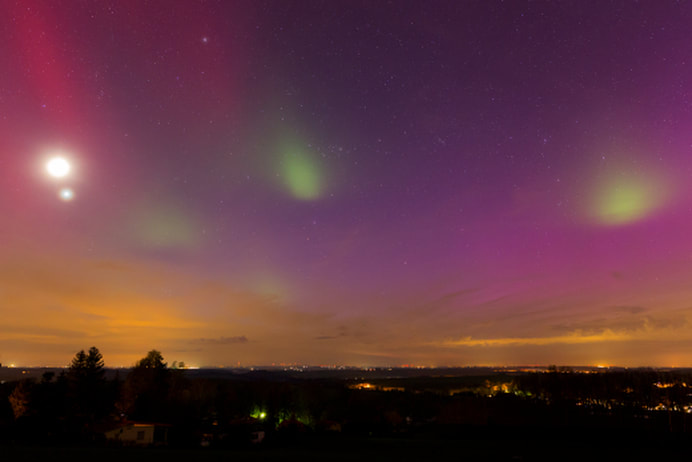
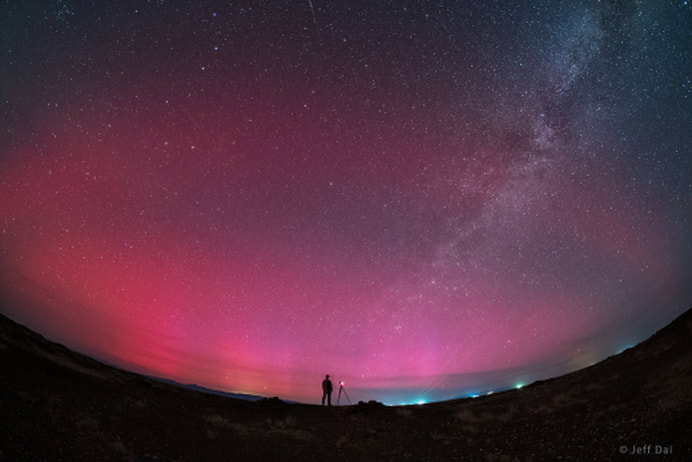
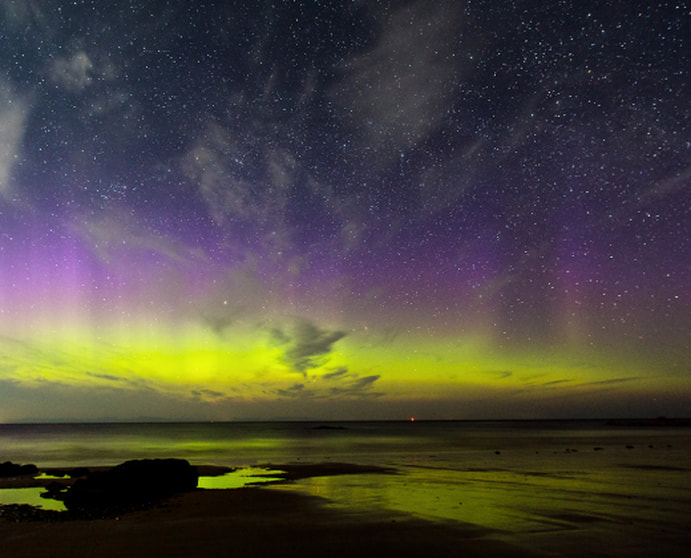
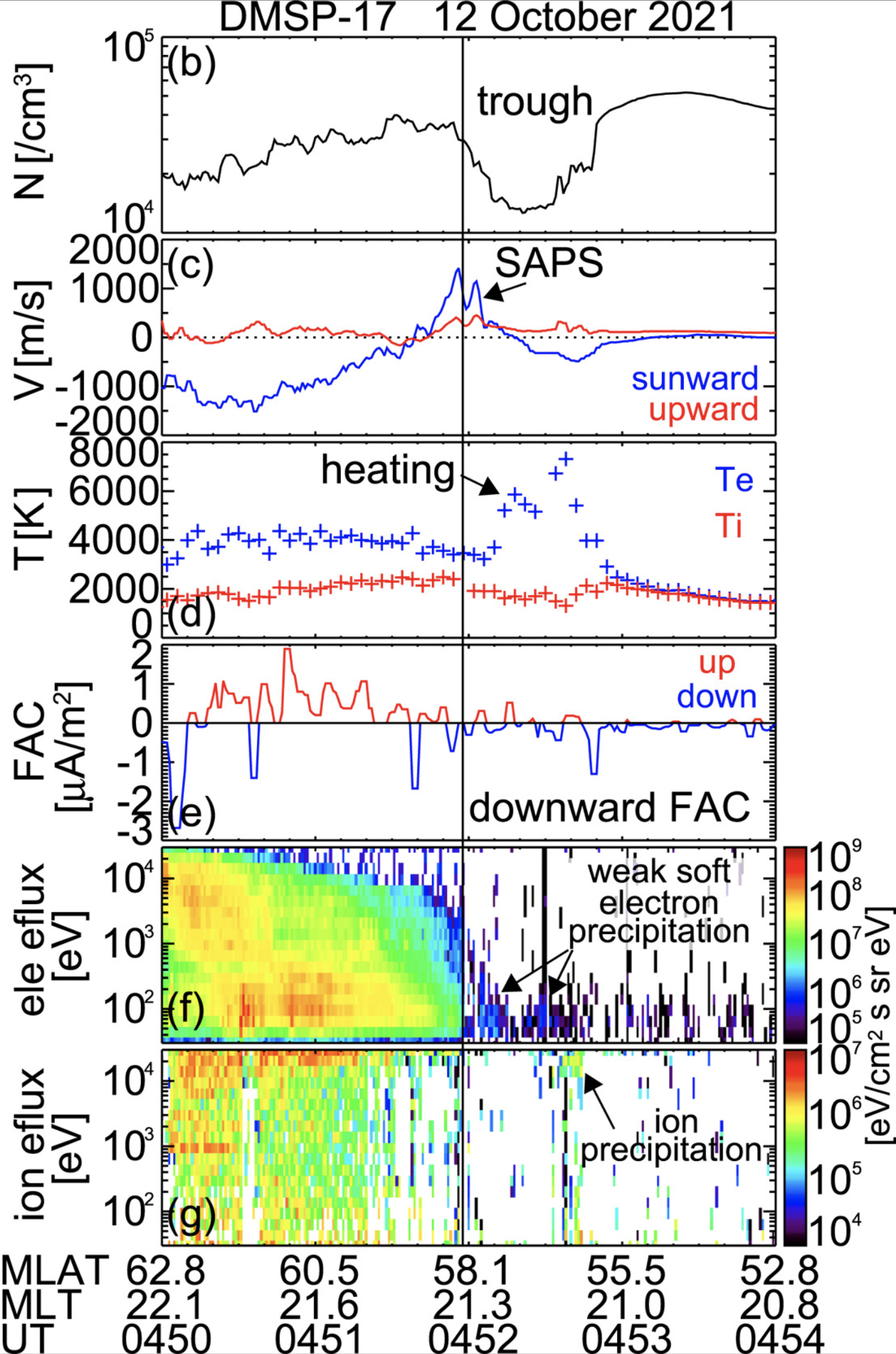
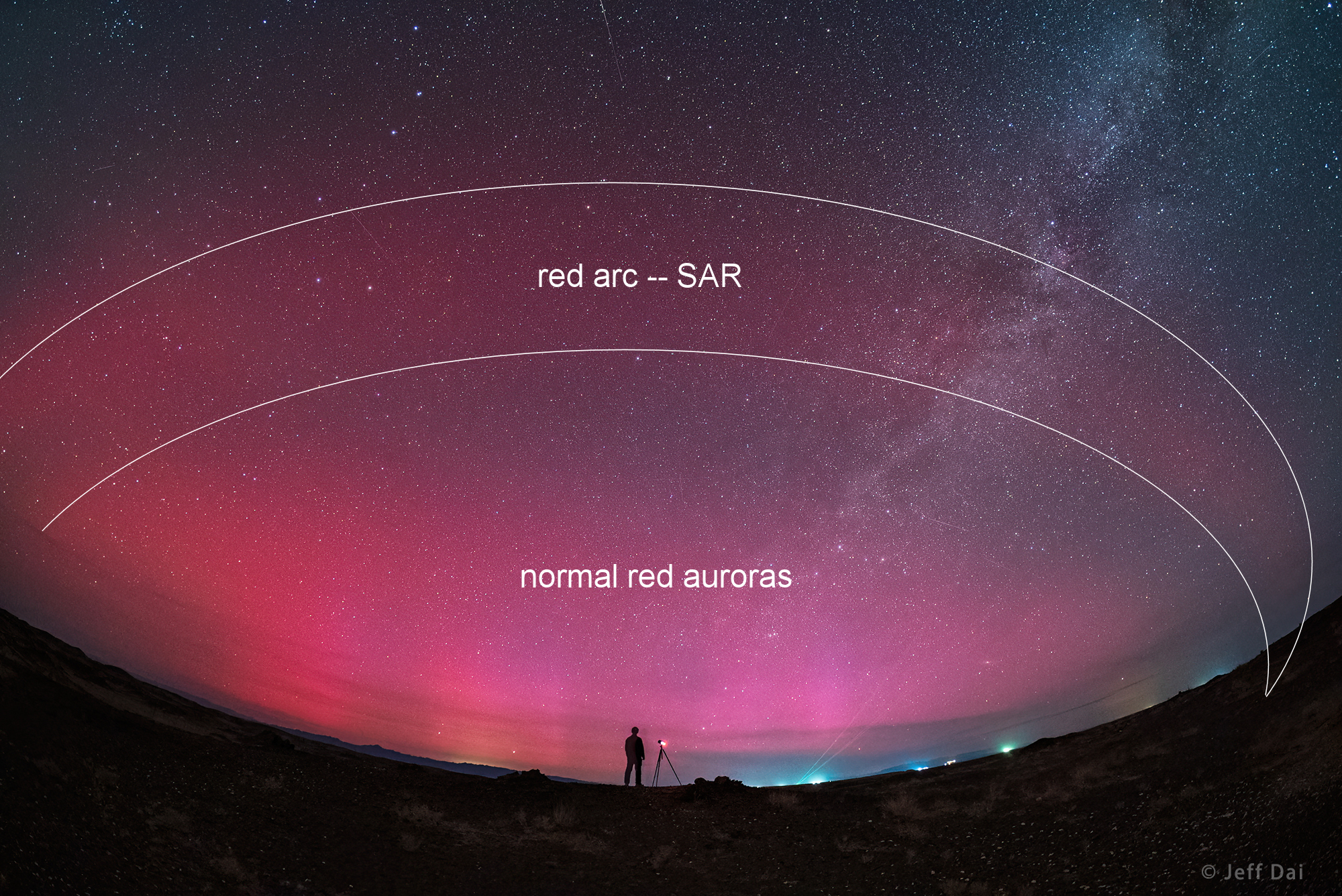
During the strong (G3) geomagnetic storm of Sept. 12th, Jeffery Dixon looked up from the Agawa Bay in Ontario, Canada, and saw a red band stretching across the sky. It was a sign that Earth's ring current had sprung a leak: "I'm not sure if it was aurora, STEVE or airglow," says Dixon.
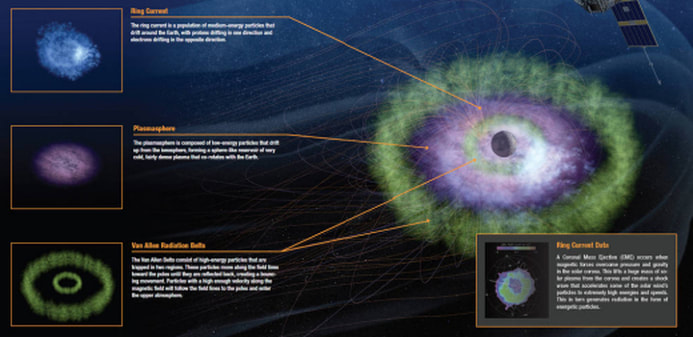
Actually, none of the above. Dixon photographed an SAR arc. SAR arcs were discovered in 1956 at the beginning of the Space Age. At first, researchers didn’t know what they were and unwittingly gave them a misleading name: "Stable Auroral Red arcs." However, they are not auroras; the red glow comes from Earth's ring current system. Yes, Earth has rings. Unlike Saturn's rings, which are vast disks of glittering ice, Earth's rings are made of electricity--a donut-shaped circuit carrying millions of amps around our planet.During strong geomagnetic storms, thermal energy from the rings can leak onto the atmosphere below, imprinting a red glow among the auroras. On Sept. 12th, SAR arcs were seen from many locations including Pennsylvania, Germany, California and Colorado. Browse the gallery for more. https://spaceweather.com/ This picture may be the first of its kind. On June 27th, photographer Tom Warner of South Dakota caught a bunch of Green Ghosts in a geomagnetic storm: "This was a huge bucket list item for me," says Warner. "An MCS thunderstorm was moving through the area, so I set up my camera to photograph sprites. The auroras and the Green Ghosts were NOT expected!" Everyone knows what auroras are. Green Ghosts are still new to many observers. They're the green blobs on top of the red sprites. Experienced observers say they appear in as few as 0.2% of sprite photos. "Tom Warner's green ghost is very clear--and certainly an unusual sight combined with aurora!" says Oscar van der Velde, an upper atmospheric lightning researcher at the Universitat Politécnica de Catalunya. Green Ghosts were discovered in May 2019 by Hank Schyma, a Houston Texas-based storm chaser. Initially, researchers thought they might be a form of green airglow activated by sprites when they touched a layer of oxygen 80 to 90 km above Earth's surface. Indeed, Ghost is an acronym: "Green emissions from excited Oxygen in Sprite Tops." New research casts doubt on that explanation. A paper recently published in Nature Communications reports a Herculean effort to decode the color of Green Ghosts. About a month after Schyma discovered the phenomenon, a team of lightning scientists led by María Passas Varo of the Instituto de Astrofísica de Andalucía began chasing thunderstorms, hoping to catch a Green Ghost in the slit of their spectrograph. It wasn't easy. Green Ghosts appear unpredictably and often last for no more than a fraction of a second. Four years and 2000 spectra later, they managed to capture just one spectrum of a Green Ghost strong enough to study. The results surprised them. Green Ghosts, it seems, are made of metal. Spectrum of a Green Ghost over the Mediterranean in Sept. 2019. [full caption] [source] "We identified a mix of spectral lines, including mainly iron, nickel, oxygen and nitrogen, that when combined, produced a green-yellow glow," says van der Velde, a co-author of the study. "There were also traces of sodium and silicon."
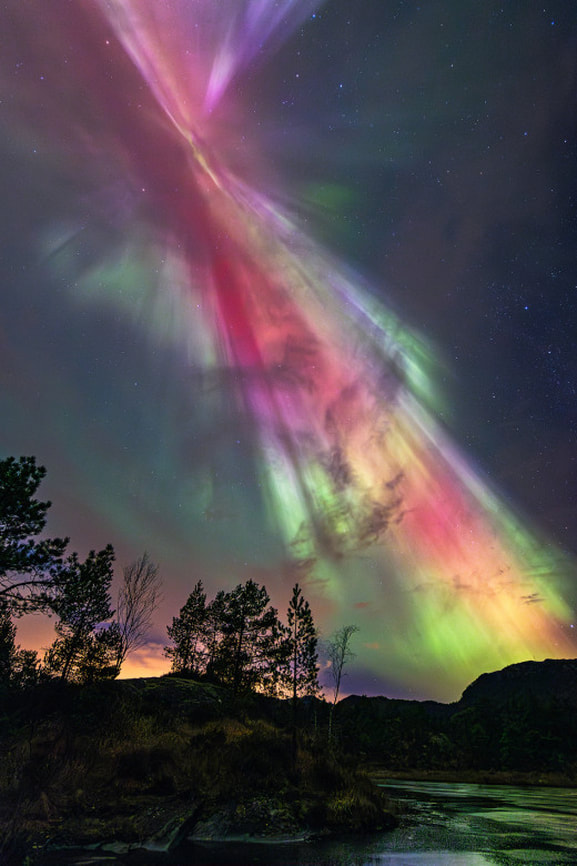
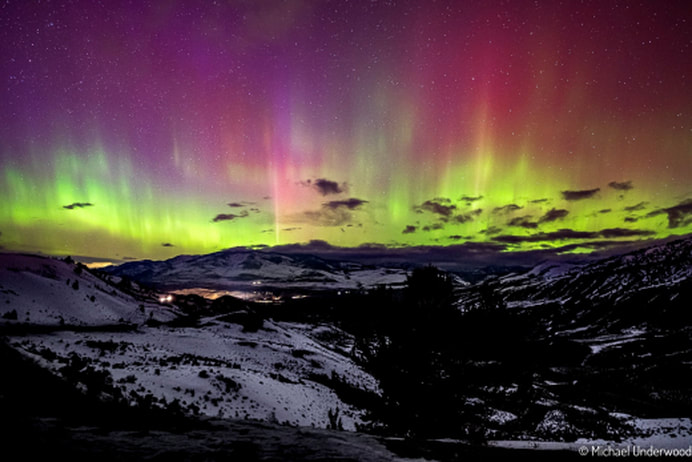
This metal-rich stew is more like meteor debris than airglow. Iron atoms deposited by meteors burning up in Earth's atmosphere peak in abundance 85 km high--about right for the tops of the tallest sprites. Green Ghosts might thus be a type of "meteor fluorescence." Or not. These conclusions are based on just one spectrum, and Green Ghosts may be far more varied than that. Stay tuned for updates as the research continues. https://spaceweather.com/ The historic geomagnetic storm of May 10-11, 2024, produced auroras across Europe, Asia, Mexico, and all 50 US stetes--even Hawaii. Hundreds of millions of people saw the colored lights for the first time in their lives, with photographers catching shots they couldn't have previously imagined. For instance, here is Opuntia chlorotica surrounded by the red glow of a CME: Kyle Nulla Cognomen sends this picture from Las Vegas, Nevada. "What a gorgeous view of the desert sky illuminated by aurora," he says. "I could see the reds and greens with my naked eye!"
Our photo gallery is filled with unusual images like this one--auroras in strange places, illuminating cactii, palm trees, pyramids, and Carribean beaches. There's no way to pick a favorite. Or is there? Browse the gallery to explore the extraordinary global display. https://spaceweather.com/ NOAA forecasters say that the storm is really over now. There's no chance of additional G5 activity this week because all the big CMEs have already come and gone. However, relatively minor G1 or G2-class storms are possible on May 13th in response to a glancing blow from this off-target CME. This morning, May 13th, giant sunspot AR3664 issued a parting shot from the edge of the Earth strike zone. An M6-class flare at 0944 UT hurled an impressive CME into space: Unlike most of the sunspot's previous CMEs, this one is not going to hit Earth with bullseye precision. Instead, it is expected to deliver a glancing blow on May 15th or 16th. The impact could spark minor (G1) to moderate (G2) geomagnetic storms.
https://spaceweather.com/ |
QUICK INFO
Author:
_Messenger Spirit This section is for interesting items which are brought to my attention but which do not merit a separate article.
I welcome your comments, questions or suggestions on any topics you wish to contribute to this section. Please submit these on the Contact and Feedback Form PLEASE DO NOT SUBMIT COMMENTS ON THE FORM WHICH APPEARS UNDER ITEMS ON 'QUICK INFO'; THIS SYSTEM IS NOT WORKING. Categories
All
Archives
November 2025
|
RSS Feed